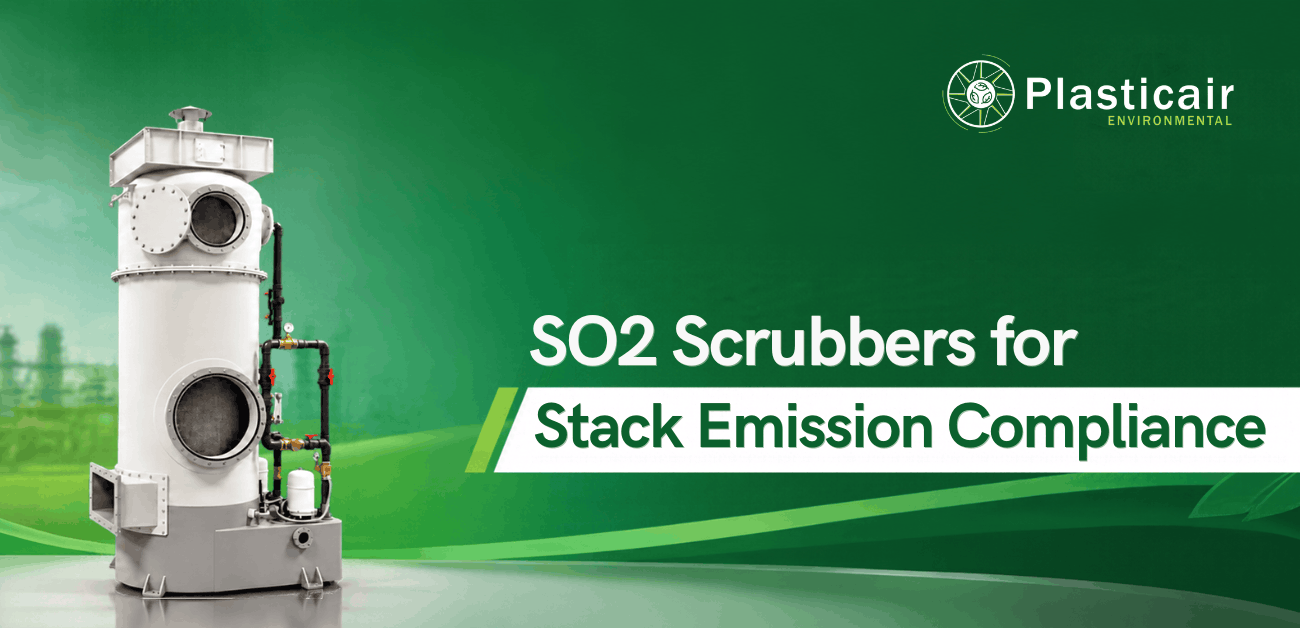
SO2 Scrubbers for Stack Emission Compliance
Sulfur dioxide carries a regulatory history unlike almost any other industrial pollutant. It was the primary target of the Clean Air Act's Acid Rain Program, and decades later it remains one of the most closely tracked categories in stack emission control. For power plants, smelters, and refineries, staying within permitted limits isn't optional, and SO2 scrubbers are the equipment that makes that compliance achievable in the first place.
This guide covers how SO2 scrubbers work, the regulatory pressure driving their use, and what facilities should weigh when specifying flue gas desulfurization equipment for their stacks.
The Regulatory Reality Behind SO2 Scrubbers
Sulfur dioxide is regulated as a criteria pollutant, with the EPA setting national ambient air quality standards specifically around it. OSHA separately maintains workplace exposure limits for sulfur dioxide, distinct from the ambient standards enforced at the stack. Facilities that exceed either threshold risk fines, operating restrictions, or in persistent cases, forced shutdowns. SO2 compliance isn't a one-time achievement, either. Continuous emissions monitoring means a scrubber has to hold steady performance day after day, not just pass inspection once.
What Are SO2 Scrubbers?
SO2 scrubbers, sometimes called sulfur dioxide scrubbers, pull sulfur dioxide out of industrial exhaust before it reaches the stack, most often through a process called flue gas desulfurization. A reagent, commonly lime, limestone, or a caustic solution, reacts with the SO2 to form a stable compound rather than letting the gas vent into the atmosphere. As with most equipment handling acidic exhaust, internals are usually specified in FRP so the system can survive years of exposure to the byproducts that the reaction generates.
How Flue Gas Desulfurization Works
- Flue Gas Entry: Exhaust carrying sulfur dioxide enters the scrubbing unit from the stack line.
- Reagent Contact: The gas meets a lime, limestone, or caustic slurry designed to bind with SO2.
- Chemical Conversion: The reaction produces a stable compound, typically calcium sulfite or sulfate, instead of releasing SO2 into the air.
- Byproduct Separation: Mist elimination and, in wet systems, dewatering remove residual moisture and solids from the treated stream.
- Stack Discharge: Cleaned exhaust is released within the facility's permitted emission limits.
Wet vs. Dry Flue Gas Desulfurization
Wet FGD uses a liquid slurry and is the more common approach for high-sulfur fuel sources, since it generally achieves higher removal efficiency. Our guide to wet scrubbers covers how liquid-based scrubbing stacks up against dry alternatives in more depth. Dry and semi-dry FGD systems inject a dry sorbent directly into the flue gas stream instead, trading some removal efficiency for a smaller wastewater footprint.
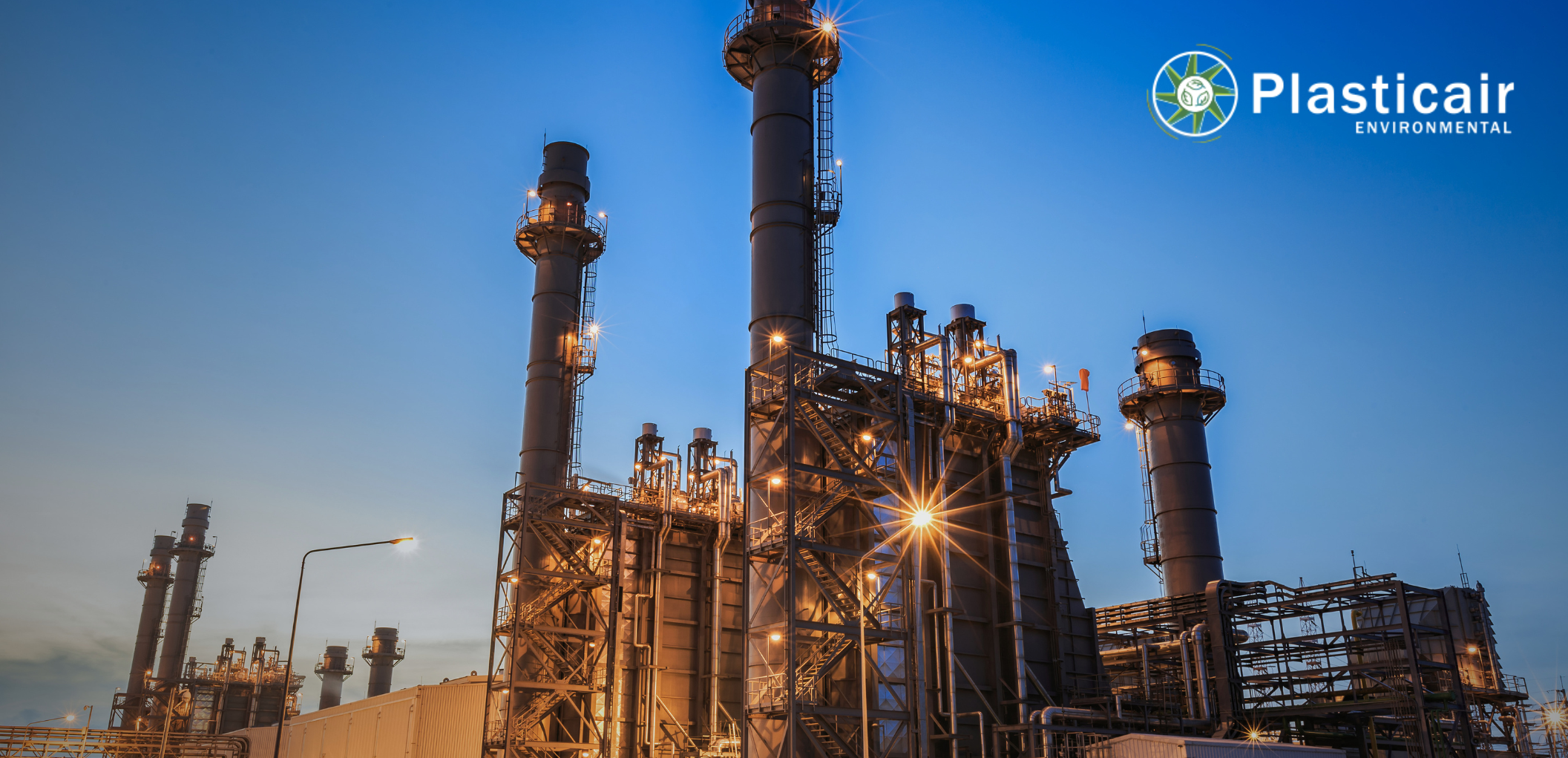
Industries Under the Most Compliance Pressure
- Power Generation: Coal- and oil-fired plants remain the largest historical source of SO2 emissions and face the strictest scrutiny.
- Metal Smelting and Refining: Sulfide ore processing releases substantial sulfur dioxide as a byproduct.
- Oil Refining: Sulfur removal from crude feedstocks generates SO2 that must be captured before venting.
- Pulp and Paper: Sulfite pulping processes are a recognized source requiring dedicated treatment.
- Cement Manufacturing: Kiln operations can release sulfur dioxide depending on raw material composition.
Benefits of SO2 Scrubbers
- Sustained Regulatory Standing: Keeps facilities within EPA and permit-specific limits across continuous operation, not just at inspection time. For facilities burning high-sulfur fuel, SO2 scrubbers are often the centerpiece of an entire industrial emission control program.
- Reduced Environmental Impact: Lower SO2 output means less contribution to acid rain and regional air quality problems.
- Equipment Longevity: Capturing sulfur dioxide before it reaches ductwork and stack components slows corrosion-related wear.
- Worker Health: Limits exposure to a gas that irritates the respiratory system even at moderate concentrations.
- Avoided Penalty Costs: Consistent compliance sidesteps the fines and operational restrictions that come with exceeding permitted limits.
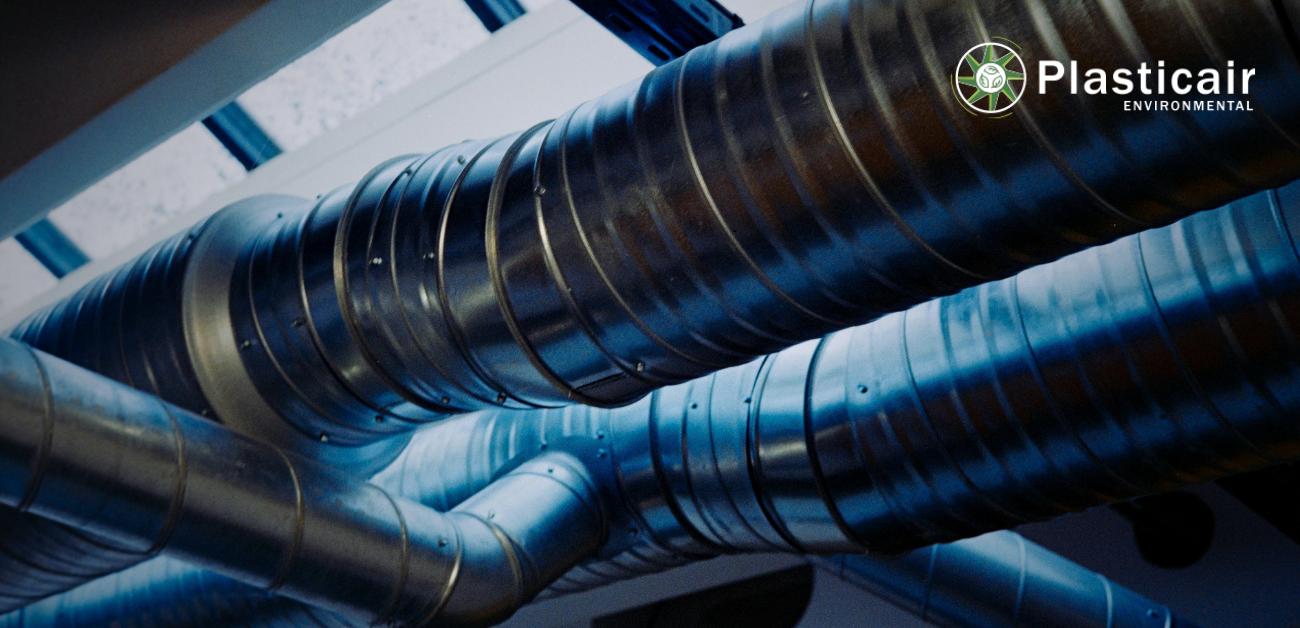
Built From FRP Where Corrosion Resistance Matters Most
The compounds formed during SO2 scrubbing are acidic enough to wear through standard metal components over time, which is why FRP shows up throughout these systems, not just in the scrubber vessel itself. Our FRP fans guide explains why this material holds up where metal alternatives don't. For related pollutant-specific guidance, see our articles on chlorine scrubbers, H2S scrubbers, and chemical scrubbers.
Specifying the Right SO2 Scrubber
- Fuel or Feedstock Sulfur Content: Higher sulfur content demands greater removal capacity from the system.
- Flow Rate and Stack Volume: Determines the scale and configuration the scrubber needs to handle.
- Reagent Choice: Lime, limestone, and caustic solutions each carry different cost and byproduct trade-offs.
- Wet vs. Dry Configuration: Available water supply and wastewater handling capacity often decide this more than removal efficiency alone.
- Monitoring Integration: Continuous emissions monitoring systems need to interface cleanly with the scrubber's control setup.
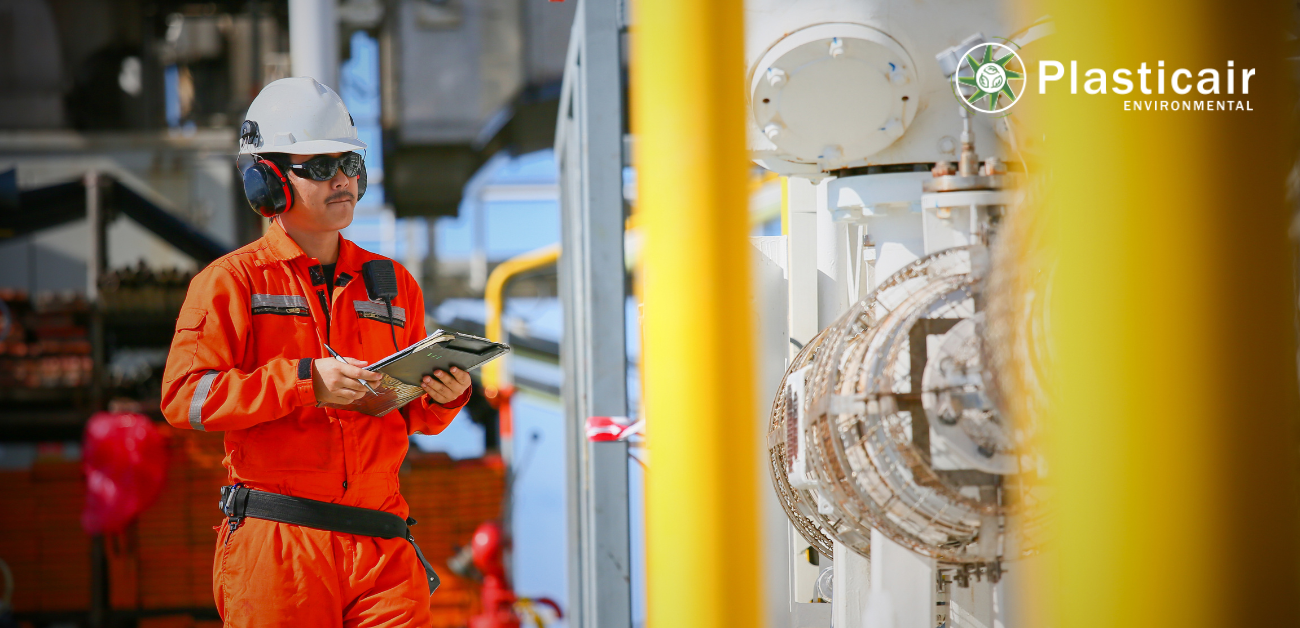
Maintenance and Inspection Checklist
Sustained SO2 compliance depends on a scrubber that performs the same way in month twelve as it did on day one. A few habits keep it that way:
- Watch Reagent Supply and Quality: Depleted or degraded lime, limestone, or caustic solution is one of the fastest ways compliance quietly slips.
- Inspect Internals for Scale Buildup: Calcium byproducts can accumulate on internal surfaces and reduce reaction efficiency if left unchecked.
- Review Continuous Monitoring Data: Look for gradual drift in emission readings rather than waiting for an alarm threshold to trip.
- Check Structural FRP Components: Acidic byproducts take a toll on vessel walls and ductwork over years of operation.
- Test Pumps and Spray Nozzles: Uneven liquid distribution reduces contact efficiency between the gas and the reagent.
- Confirm Byproduct Handling Systems: Dewatering and solids handling equipment needs to keep pace with the volume the scrubber produces.
- Document Every Inspection: Regulatory audits often ask for maintenance records alongside emissions data, not just the numbers themselves.
Few pollutants carry as much regulatory weight as sulfur dioxide, and that weight isn't going away. A properly specified SO2 scrubber turns stack emission compliance from a recurring source of risk into a routine part of operating a facility, whether the source is a power plant, a smelter, or a refinery running high-sulfur feedstock.
Plasticair Environmental builds corrosion-resistant scrubbing systems designed for demanding stack emission requirements. Our Products page outlines the full range available for facilities working toward SO2 compliance.
Frequently Asked Questions (FAQs)
An SO2 scrubber is equipment that removes sulfur dioxide from industrial exhaust, typically through flue gas desulfurization, converting the gas into a stable compound before it reaches the stack.
Flue gas desulfurization, or FGD, is the general process of removing sulfur dioxide from combustion exhaust using a reagent such as lime, limestone, or a caustic solution.
Power generation, metal smelting, oil refining, pulp and paper, and cement manufacturing are among the industries facing the heaviest sulfur dioxide compliance obligations.
Wet FGD generally achieves higher removal efficiency and suits high-sulfur fuel sources, while dry and semi-dry systems trade some efficiency for reduced water and wastewater requirements.
Most regulated facilities use continuous emissions monitoring systems that track stack output in real time, allowing operators to catch performance drift before it becomes a compliance violation.
FRP is the standard choice for vessels, ductwork, and internals, given how effectively it resists the acidic byproducts the scrubbing reaction produces.
Consequences vary by jurisdiction and permit, but typically range from fines to operating restrictions, with repeated violations potentially leading to forced shutdowns.


